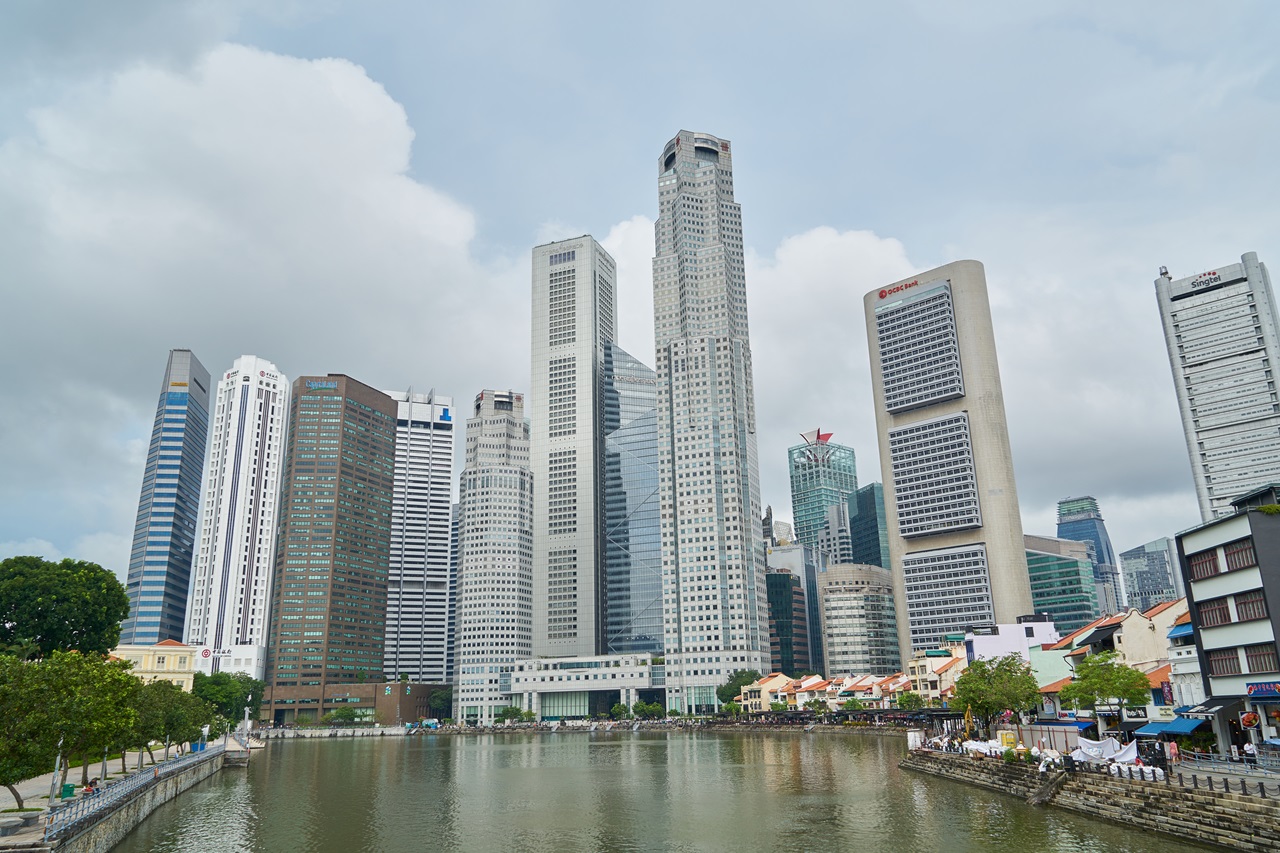
As a global business hub, foreign companies often view Singapore as a gateway to enter the Asian market. Businesses looking to set up a company Singapore can choose from 3 corporate structures — subsidiary, branch office and representative office. Choosing the right structure for your company involves selecting one that best aligns your company’s goals as each one carries different legal and tax implications.
- Subsidiary: A Singapore-incorporated company, with a parent company stationed overseas.
- Branch office: An extension of the parent company which is registered in Singapore.
- Representative office: Temporary arrangement for an overseas parent company to conduct market research in Singapore. As it has no legal status, it cannot carry out commercial activities such as the sale of goods.
Subsidiary company
A subsidiary company is a Singapore-incorporated private limited company, which is treated as a separate legal entity. As a result, the parent company will not be held liable for debts or losses incurred by the subsidiary. This makes subsidiaries a popular and flexible choice for small to mid-sized companies looking to expand.
While a subsidiary is taxed at the standard corporate tax rate of 17%, it may enjoy certain tax benefits if treated as a local tax resident. This depends on whether control and management are found to be exercised in Singapore. If classified as a local tax resident, a subsidiary can benefit from tax exemptions as well as double taxation relief granted by Singapore’s comprehensive Double Taxation Agreement. Furthermore, newly incorporated subsidiaries may qualify for the Startup Tax Exemptions (SUTE). This offers qualifying companies a full or partial tax exemption on the first $200,000 of chargeable income for the first 3 years.
A subsidiary may be right for you if you want limited liability, access to local tax benefits and more autonomy in your company’s management.
Branch office
Unlike a subsidiary, a branch office is not treated as a separate legal entity. As branch offices are an extension of the parent company, parent companies remain liable for debts and obligations of branch offices. While both subsidiaries and branch offices are taxed at 17%, branch offices cannot access tax exemptions or benefits as they are not classified as Singapore tax residents.
A branch office may be right for you if your parent company has a strong global identity which you want to leverage to bid on major contracts.
Representative office
Unlike subsidiaries and branch offices, representative offices have no legal status. This means they cannot carry out revenue-generating activities such as the sale of goods or provision of paid services. They are primarily set up to conduct market research. As representative offices do not earn revenue, they do not pay corporate tax.
A representative office may be right for you if you are not yet committed to establishing a company in Singapore and want to assess the Singapore market first. Representative offices can operate for a maximum of 3 years, which may not be suitable for companies looking to establish a long-term presence in Singapore.